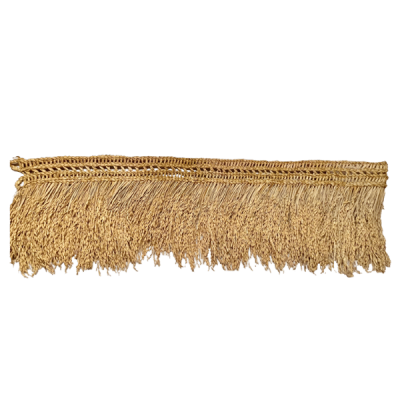


 paddy thorana
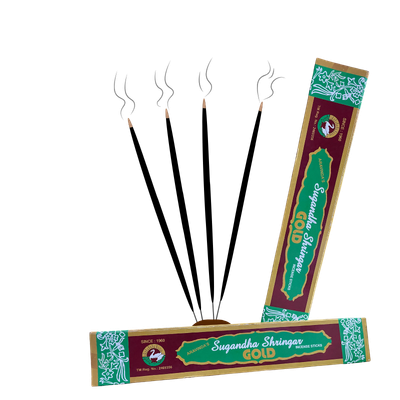 Incense Sticks & Sambrani
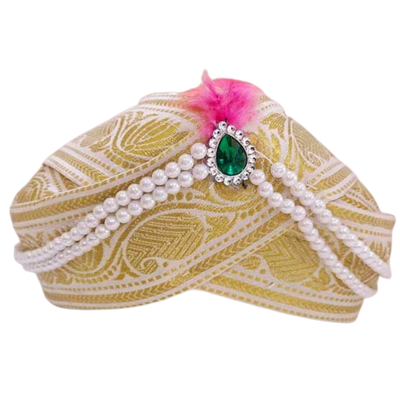 Mysore Peta
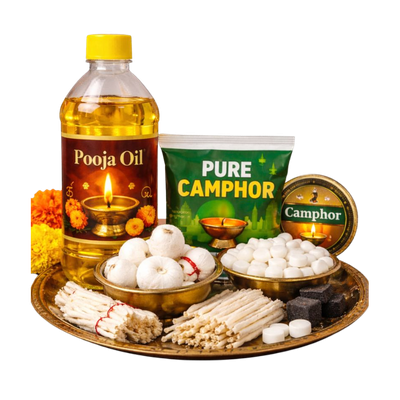 Wicks,Pooja Oil & Camphor
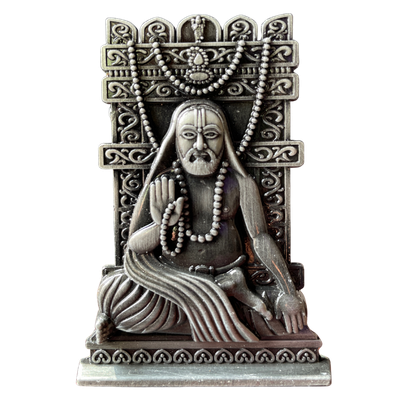 Sri Raghavendra Swamy Brindavana & Idol
 Japamalas





Maha Shivaratri Festival Rituals and Traditions: A Deep Dive into the Great Night of Shiva
Maha Shivaratri is not just another date on the calendar; it is a profound spiritual phenomenon. Known as the "Great Night of Shiva," it marks the convergence of Shiva and Shakti—the divine union of consciousness and energy. While the entire country celebrates, the beauty of this festival lies in its diverse rituals that vary from home to home and region to region.
In 2026, Maha Shivaratri falls on Sunday, February 15th . As you prepare your home for this auspicious night, let’s explore the timeless traditions that make this festival so powerful.
1. The Tradition of the Night Vigil (Jagran)
Unlike most festivals celebrated during the day, the essence of Shivaratri lies in the darkness.
- The Ritual: Devotees stay awake all night, divided into four segments called Prahars.
- The Meaning: Staying awake symbolizes the awakening of the soul from the "sleep" of ignorance. It is a time for "Jaagran" (awareness), where the mind remains alert and focused on the divine through bhajans, kirtans, and meditation.
2. The Sacred Bath: Rudrabhishek
The most iconic tradition of Shivaratri is the Abhishek of the Shiva Lingam. This is a rhythmic, meditative process of bathing the Lingam with sacred substances:
- Water & Milk: To signify the cleansing of the soul.
- Honey & Ghee: To symbolize the sweetness of life and the light of knowledge.
- Bhasma (Sacred Ash): Many traditions involve offering ash to remind us of the temporary nature of the physical world.
3. The Power of the Bilva Leaf (Bel Patra)
You will rarely see a Shiva pooja without the Bel Patra . Tradition dictates that a leaf with three leaflets should be offered. These represent the three Gunas (Sattva, Rajas, and Tamas) or the three functions of Shiva: Creator, Preserver, and Destroyer.
4. Fasting for Self-Discipline (Vrat)
Fasting on Shivaratri is a tradition aimed at detoxifying the body and sharpening the mind.
- Nirjala Vrat: A strict fast without even water, usually observed by those seeking deep spiritual penance.
- Phalahar Vrat: Consuming only fruits and milk to keep the body light for the night-long meditation.
- Sattvic Food: Even those not fasting strictly avoid grains, onion, and garlic to maintain a "Sattvic" or pure state of mind.
Regional Traditions: A Tapestry of Devotion
While the core rituals remain the same, India’s regions add their own beautiful flavors:
- In the North (Varanasi): The "Shiva Barat" (wedding procession) is a grand spectacle where devotees dress as gods, demons, and spirits to celebrate Shiva’s marriage.
- In the South (Tamil Nadu): Many perform Girivalam, a barefoot walk around the sacred Arunachala Hill, a moving meditation under the moonlit sky.
In Kashmir (Herath): Shivaratri is celebrated as Herath, focusing on family gatherings and unique rituals involving walnuts and earthen pots
Bring These Traditions to Your Home with Locate Us Store
At Locate Us Store , we take pride in helping you keep these ancient traditions alive. Whether you are setting up for your first Jagran or looking for premium Pooja Samagri , we have everything you need:
- Aasan & Rudraksha Malas for your meditation.
- Copper & Brass Abhishek Sets for the holy bath.
- Pure Chandan and Vibhuti to complete your ritual.
[Explore Our Traditional Shivaratri Collection]